
Evolving perspectives on protein quantity and quality for optimal health

Webinar

Protein quantity and quality are key to a healthy diet. Emerging research reveals that not all protein sources are nutritionally equal, highlighting the importance of ‘utilizable protein’, which accounts for amino acid content and digestibility. 

During this presentation at the 2025 Canadian Nutrition Society (CNS) Annual Conference, Dr. Paul Moughan (Massey University and Riddet Institute Fellow Laureate) and Dr. Hrvoje Fabek (University of Toronto) examine the importance of protein quality in meeting rising global nutrition demands, the shortcomings of traditional assessment methods like PDCAAS, and insights into trends in protein intake among Canadians. 

webinar audience

To watch this free presentation, access CNS recordings here.

Note that this presentation has been made available and accessible at no cost to both CNS members and non-members thanks to a DFC joint sponsorship. 

By the end of the webinar, participants will: 

  1. Gain insight on total protein intakes among Canadians, compared to current recommendations. 

  2. Deepen their understanding of the role of protein quantity, quality, and essential amino acids in meeting daily requirements.  

  3. Understand current methods used to assess protein quality, including PDCAAS and DIAAS.  

  4. Examine the recent evidence on protein intake among adults in mid-to-high income countries, with a focus on protein quality and whole-food protein sources.

 
To watch the webinar
Click here
Speaker
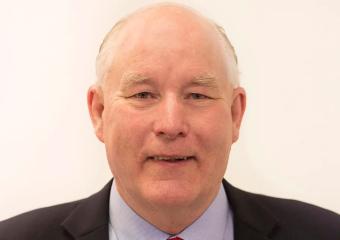
Paul Moughan

PAUL MOUGHAN, PhD

Distinguished Professor at Massey University and Riddet Institute Fellow Laureate

Paul Moughan was appointed to the foundation chair in monogastric biology at Massey University in 1993 and from 1997-2003 was Foundation Head, Institute of Food, Nutrition and Human Health, Massey University. From 2003 until 2017 he was Foundation Co-Director of the Riddet Institute, hosted by Massey University. He currently holds the positions of Distinguished Professor at Massey University and Riddet Institute Fellow Laureate. 

He has published in excess of 500 scientific works. In 1995 he was awarded Doctor of Science and in 1997 was awarded a Personal Chair at Massey University and was elected a Fellow of the Royal Society of New Zealand. He is a Fellow of the Royal Society of Chemistry, Cambridge, England. In 2011 he was appointed Chair of the FAO Expert Consultation to review recommendations on the characterisation of dietary protein quality in humans, and has been a frequent contributor to FAO and WHO expert committees. He has received numerous awards, including the New Zealand Prime Minister’s Science Prize in 2012. In 2014 he was awarded an Honorary Doctor of Science from the University of Guelph, Canada and in 2018 the Wageningen University Medal of Honour. In 2015 he was appointed to the Global Food and Nutrition Security Project, Leopoldina, Germany, under the auspices of the international partnership of science academies (IAP). He was invited (2021) to author a regional IAP policy briefing for the UN Food Systems Summit. 

Speaker
Dr. Hrvoje Fabek

HRVOJE FABEK, PhD

Department of Nutritional Sciences, Temerty Faculty of Medicine, University of Toronto

Dr. Hrvoje Fabek is a Senior Research Associate in the Department of Nutritional Sciences, Temerty Faculty of Medicine at the University of Toronto, and Program Manager of the NSERC Program in Food Safety, Nutrition and Regulatory Affairs. Dr. Fabek earned his MSc in 2011 and PhD in 2015 at the University of Guelph, Department of Food Science, Ontario Agricultural College. His research focuses on understanding the relationship between food structure and physiological function. He has conducted work using simulated digestion models to understand the role of dietary fibres and glycemic responses. Dr. Fabek’s research program explores the functionality (both technological and physiological) of an array of foods and ingredients, including dairy, cereals, pulses, potatoes, and proteins and starches extracted from various Canadian crops. He has teaching experience in food science, food chemistry, nutrition, and regulatory affairs.